
Crash Casino Games in the UK: Rules and Risks
 Available in GB

Crash play combines stakes, random outcomes and a cash-out decision, while the casino platform brings separate licensing and fairness questions.
Table of Contents
- Playing Crash Games Online: What Changes on a Casino Site
- What “Best” Means When You’re Comparing Crash Casinos
- The Crash Game Loop: Stakes, Random Outcomes and Cashing Out
- Crash Sites Alongside Slots and Other Casino Games
- Crypto Crash Casinos and the Trade-Off of Alternative Platforms
- Crash Game Providers, Randomness and What “Provably Fair” Can’t Prove Here
- Free Crash Play Isn’t the Same as a No-Deposit Bonus
- Crash Game Demos: What the Available Facts Don’t Tell You
- How to Approach a Crash Game Without Guessing at Its Rules
- Real-Money Crash Play and the Long-Term Casino Edge
- Ocean Breeze Casino Games UK: Slots and Providers
Playing Crash Games Online: What Changes on a Casino Site
A crash game encountered online sits within a wider casino setting: you are accessing it through a website or app rather than walking into a venue. Casino games are available online where the law permits them, but the word “online” does not tell you which rules apply to the operator. For a UK player, the important distinction is whether a site is part of the UKGC-regulated market or is operating offshore.
A specialist review has described the UK online casino scene in 2026 as having two parallel sides: the UKGC-regulated space and offshore platforms outside that system. That is a useful way to understand the different kinds of sites you may encounter, but it should not be mistaken for a change in the legal standard. The regulatory position matters more than a site’s branding, the games it displays or the country it says it operates from.
For online casino businesses taking customers in Great Britain, the requirement is local licensing. The operator’s location does not remove that obligation: a company based abroad still needs the relevant UKGC licence if it is selling remote gambling to British customers. So a website can be easy to reach from the UK and still sit outside the UK regulatory framework. Accessibility and authorisation are not the same thing.
That distinction is easy to miss when a site loads normally and presents itself as a casino for UK players. Offshore casinos do accept UK customers, but they operate beyond the UKGC system. You may see these described as non GamStop sites, though the label is not a substitute for checking what the operator’s regulatory status actually means. The phrase can sound like a neat category; in practice, it points to a different relationship with UK oversight.
The licensed side is the legal route for online gambling in the UK. A current UKGC operating licence is required for a legal online casino serving British players. That framework applies to the operator, not merely to a particular game within its catalogue. If a crash game appears on a casino site, its presence does not create a separate exemption from the rules that govern the site offering it.
Crazy Time Live Casino Game Show: UK Guide
I used to read a familiar interface as a kind of reassurance. It is tempting to think that if a site looks polished, accepts local visitors and lists games you recognise, then it must be operating under the same protections as a UK-licensed casino. That’s not a safe assumption. A website’s appearance tells you little about which regulator, if any, oversees the business for UK customers.
This is why the phrase “UK casino” can be slippery in advertising. It might mean that a platform welcomes people from the UK, rather than that it holds a UKGC licence. Those are different claims. An offshore operator may serve UK players while remaining outside the regulator’s licensing system; that does not make it part of the legal UK online casino market.
There is a practical difference in what the two labels communicate. A UKGC-licensed operator is accountable within the British regulatory structure. An offshore platform does not have that UKGC status, even if its website is available here. Its own terms or an overseas licence do not turn it into a UKGC-regulated casino. Don’t let a familiar payment option or a UK-facing page blur that line.
The setting is still a casino, and the same broad market distinction applies whether a player is browsing a crash game, a slot or another casino format. The game’s name does not decide the operator’s legal position. The site does.
When you come across a crash casino online, it helps to separate three ideas that promotional language can run together: being reachable from Britain, accepting British players, and being licensed to serve them under UK rules. Offshore casinos can meet the first two while sitting outside the third. For a legal online casino in the UK, UKGC licensing is the relevant line.
The plain version is less exciting than an advert. Online access changes how you reach a casino; it does not erase the market boundary. Know which side you’re on.
What “Best” Means When You’re Comparing Crash Casinos
When choosing a crash casino game in the UK for 2026, you may want to consider how quickly a casino lists payouts as being processed. Use the details below as a brief reference when weighing your options.
1. EvoSpin
Payout speed: 1-3 business days EvoSpin lists a payout speed of 1–3 business days, giving you a stated timeframe to consider when planning a withdrawal.
2. Revery Play
Payout speed: 1-3 business days Revery Play lists a payout speed of 1–3 business days, a useful detail for you to bear in mind when considering cash-outs.
3. x3bet
Payout speed: 1-3 business days x3bet lists a payout speed of 1–3 business days, so you have a stated processing timeframe to factor into your choice.
4. Dieselwin
Payout speed: 1-3 business days Dieselwin lists a payout speed of 1–3 business days, which gives you a clear stated timeframe to consider for withdrawals.
5. NightLuck
Payout speed: 1-3 business days NightLuck lists a payout speed of 1–3 business days, providing you with a stated timeframe to keep in mind when assessing cash-outs.
6. Britsino
Payout speed: 1-3 business days Britsino lists a payout speed of 1–3 business days, giving you one concrete detail to consider when choosing where to play.
7. BeOnBet
Payout speed: 1-3 business days BeOnBet lists a payout speed of 1–3 business days, a stated timeframe you can take into account when planning withdrawals.
8. Amunbet
Payout speed: 1-3 business days Amunbet lists a payout speed of 1–3 business days, giving you a stated cash-out timeframe to consider.
9. NightWin
Payout speed: 1-3 business days NightWin lists a payout speed of 1–3 business days, which gives you a stated timeframe to factor into your decision.
10. SlotoSport
Payout speed: 1-3 business days SlotoSport lists a payout speed of 1–3 business days, offering you a stated timeframe to bear in mind for withdrawals.
“Best” sounds like a promise. When I see it attached to a casino, I now read it as a claim that needs unpacking, not a verdict I should accept. It does not tell you that a particular site will produce better results, or that playing there changes the basic financial shape of casino gambling.
Casino games can give players the possibility of short-term gains. They also typically give the casino a predictable advantage over the long term. Both things can be true at once. A player might come out ahead in a short run; that possibility is part of what makes a game appealing. But it does not cancel the casino’s longer-term advantage. I had to learn not to treat one good session as proof that I had found a better deal.
That is the first test I would apply to any comparison of crash casinos: does it explain what “best” actually means, or does it use the word as if it guarantees a better outcome? A favourable-sounding label cannot turn the possibility of a win into a dependable expectation. Nor does a list of attractive claims, by itself, tell you how a casino game will play out for you.
Attention: A favourable-sounding label or a list of attractive claims cannot turn the possibility of a win into a dependable expectation.
Best for what?
A comparison can be useful if it is clear about what it is comparing. “Best” might mean easiest to understand, most appealing to a particular player, or something else entirely. Those are not interchangeable standards. A site can suit one person’s preferences and still be the wrong fit for someone else.
So I try to separate personal preference from financial expectation. Enjoying a particular presentation is not the same as having an advantage. A polished page, confident wording or an exciting name for a game might catch my attention, but none of those things changes the long-term relationship between casino and player. A glossy wrapper is still a wrapper.
This matters when you are weighing up claims about the best crash game casino, or looking for a casino that offers crash-style play alongside other games. The wording can make it sound as though there is a single objectively superior choice. In reality, the word “best” needs a standard behind it. Without one, it is mostly decoration.
I also watch for comparisons that quietly move from “this may suit you” to “this is where you are more likely to win”. Those are different claims. A casino may be described as convenient or entertaining, but that does not establish that a player can expect to profit over time. I would not use enthusiasm in a review as a substitute for that distinction.
Casino dice games in the UK: rules and risks
A good session proves very little
The most tempting evidence is often personal: you have a winning session, feel like you have caught a pattern, and start thinking the choice of casino must have been the reason. I have made that leap myself. It is a satisfying story, but a short run of results cannot establish that a casino offers a lasting edge to its players.
The reverse can be just as misleading. A losing session does not, on its own, prove that one casino is worse than another. Short-term results can be positive or negative for an individual player, while the casino’s advantage remains a long-term feature of casino games. One session is not a reliable comparison method. It is just one session.
That may sound less exciting than a confident ranking, but it is more useful when money is involved. “Best” should not be read as “surest way to win”, “safest bet” or “a reliable source of income”. Those phrases imply certainty that the basic long-term advantage does not support. I prefer a modest claim with a clear meaning to a big promise doing vague work.
Do
- Separate personal preference from financial expectation
- Read a modest claim with a clear meaning
- Distinguish between short-term gains and long-term advantage
Don’t
- Treat one good session as proof of a better deal
- Use enthusiasm in a review as a substitute for distinction
- Read “best” as a guarantee of a better outcome
Compare the claim, not the adjective
When I see a recommendation, I ask what it is actually saying. Is it describing a preference, or implying a better financial result? Does the reasoning explain the difference between a short-term gain and the longer-term casino advantage? If it skips that distinction and goes straight to praise, I take the praise lightly.
This applies whether the wording is “best crash casinos”, “top choice” or “must-play”. Changing the adjective does not change the underlying maths of casino gambling. It can still be enjoyable, and a player can still win in the short term. But no ranking can make those short-term gains a dependable outcome or remove the casino’s predictable long-term advantage.
I would rather know what a comparison means than be handed a confident label. If “best” means “the one I personally like”, that is a preference. If it means “the one that will make you money”, the claim needs much more than a persuasive tone. Keep those ideas separate, and the word starts to lose some of its power over your decisions.
Not magic. Just marketing.
The Crash Game Loop: Stakes, Random Outcomes and Cashing Out
A crash game can look unlike a familiar casino table or machine, but the basic gambling idea is recognisable: you put cash or chips at stake on a possible outcome. That is the useful starting point for understanding a crash casino game in the UK in 2026. The screen may give the experience its own style, yet the decision still involves risking something of value against an uncertain result.
Mines Casino Game UK: How It Works and What to Check
I find it helps to separate the general idea from the visual language. A game can show movement, a changing display or a moment that feels like a decision point; none of that changes what a stake means. Once money is committed to a possible outcome, the player is gambling. The presentation might make that feel more like timing than chance, but a feeling of control is not the same as certainty.
Casino games can involve a single possible outcome or a combination of outcomes. Random-number games use selected numbers generated by a computer or other gaming equipment. That broad description helps place crash games in the casino world without pretending every game uses identical rules. It also keeps the explanation grounded: the presence of an animated screen does not, by itself, tell you how the underlying result is produced.
The phrase “random outcome” can sound abstract until your own stake is involved. Before money is involved, a result is just something displayed. Once you have placed a stake, the same result has a financial consequence for you. That is why I try to read the game in two layers: first, what the interface shows; second, what the wager is actually attached to. The second layer matters more.
“Cashing out” is part of the language around crash games, but the phrase alone does not tell you the exact rules of a particular game. It should not be treated as a universal promise that you can leave at any chosen instant, or that a particular action guarantees a particular return. Those details belong to the rules for the specific game. The broad point is simply that players may think about a possible outcome alongside the decision to take a return rather than continue. The actual conditions matter.
For random-number games, selected numbers are generated by a computer or other gaming equipment to produce outcomes.
That distinction is easy to miss when a game is fast-moving. A display can encourage you to react to what appears to be happening now, while your stake is tied to the game’s defined outcome and conditions. I have caught myself treating the on-screen moment as if it were the whole story. It isn’t. The interface is what you see; the rules explain what the stake means.
For anyone looking at crash casinos, it is sensible to resist filling in familiar details from memory or from another game. A name or format can suggest a shared pattern, but only the game’s own rules can tell you what counts as a stake, what outcomes are possible and what a cash-out action means there. That is not nit-picking. It is the difference between understanding what you are risking and guessing.
The same caution applies to the word “random”. It describes a way outcomes can be generated; it does not explain every feature of a game or make all games interchangeable. In casino play more generally, the player gambles on possible random outcomes or combinations of outcomes. For a random-number game, selected numbers come from a computer or other gaming equipment. That is as far as the general description takes us. The details of a particular crash game need to be read on their own terms.
So when I think about the crash game loop, I keep it plain: a stake is placed, a possible outcome is involved, and the player needs to understand what the game says about any decision to cash out. The visual drama can make that sound more complicated—or more predictable—than it is. I would rather pause over the rules than assume the screen has already explained them.
Chicken Road Game in UK Casinos: What to Check
No magic shortcut.
Crash Sites Alongside Slots and Other Casino Games
A casino lobby can make very different games look like neighbours. A crash game may sit near slots, table games or other quick-play options, but being displayed together does not make them the same format. I find it useful to separate the labels a site uses from the kind of play they describe. A shared menu is not a shared rulebook.
Slots are the familiar machine-style reference point. Gambling machines are generally played by one person at a time, without a casino employee needing to run each play. That gives them a different feel from a table game, where a croupier or dealer usually conducts the action and players compete against the casino. The difference is about how the game is presented and run, not a promise that one format is simpler or more favourable.
Crash games can appear alongside slots on casino sites, which helps explain why people sometimes call them “crash slots” or group them with slot-style games. But a menu position or a catchy category name does not tell you enough to classify a game. I would not assume that every casino treats crash games as slots, or that a crash title follows the same format as a machine game, just because both are available from the same lobby.
Slots
Generally played by one person at a time without a casino employee needing to run each play.
Table Games
Usually conducted by a dealer or croupier where players compete against the casino.
Crash Games
Often grouped with slot-style games but distinct in their specific mechanics and rules.
That distinction matters when you compare casinos with crash games. A broad catalogue can mean several different kinds of play are offered under one roof; it does not show that the games share mechanics. If you are browsing a site and see crash games beside slots, take the label as navigation, not an explanation. The same goes for claims about the “best” range: a long menu may show variety, but it does not tell you what any individual game involves.
Table games are another useful contrast. They are generally conducted by a dealer or croupier, and the player’s opponent is the casino rather than another customer at the table. That social, dealer-led setup is unlike the usual one-player-at-a-time machine format. So when a site presents crash games, slots and table games in the same casino, it is bringing together distinct categories, not necessarily variations on one central game.
Hi-lo offers a small example of how varied casino formats can be. In that game, the player predicts whether the next card will be high, low or the same. It is a prediction game, but that description alone does not make it a crash game or a slot. Similar broad ideas can turn up in different formats; the details still matter.
I used to treat category names as if they answered more than they did. They don’t. “Crash-style” may be a site’s way of grouping games, while “slots” points toward a machine-style category. Neither phrase, by itself, tells you how a particular title works. If you want to know whether a crash game is presented as a machine game, a table game or something distinct, the category label is only a starting point. You need the game’s own description to tell you more, and it is better not to fill in gaps by borrowing assumptions from slots or card games.
A casino can offer all of these formats side by side. That is useful context, but not a reason to treat them as interchangeable. Different lane, different game.
Ocean Breeze Casino Games UK: Slots and Providers
Crypto Crash Casinos and the Trade-Off of Alternative Platforms
When I look at a crash game on a crypto casino, I try not to let the coin logo do the thinking for me. A payment method tells you how a platform may take or send money; it does not, by itself, tell you whether the operator is licensed to serve you in Britain.
Specialist reviews of alternative platforms describe some as accepting Bitcoin, Ethereum and Litecoin alongside conventional cards and e-wallets. That is a report about the platforms covered, not a promise that every site supports every method. The same reviews describe some deposits as arriving immediately and withdrawals as being completed within hours rather than days. Treat those as reported possibilities, not a personal payout guarantee. The payment route and the operator’s own processing can both matter.
There is a regulatory distinction behind the word “alternative”. Such platforms may operate under licences issued in Curaçao, Malta or Gibraltar, but a foreign licence is not a UKGC licence. Remote gambling operators selling into the British market must hold a UKGC licence, regardless of where they are based. So, if a site takes British customers without that licence, a crypto option does not make it a locally licensed casino. Plainly put: payment choice is not regulatory cover.
I used to read “instant” as “the money will be in my hands instantly”. That was too generous. A description of fast deposits or withdrawals does not tell you which payment methods are covered, whether the claim applies to both directions, or what conditions could affect a particular transaction. Don’t turn a broad claim into a timetable for your own cash.
Regulatory Status
Remote gambling operators selling into the British market must hold a UKGC licence regardless of where they are based or what payment methods they accept.
Crypto also changes the practical question from “Can I pay?” to “What route am I choosing?” A card or e-wallet may feel more familiar; a cryptocurrency option may suit someone already using digital assets. But the available payment list cannot tell you whether a particular transaction will be smooth, or whether the platform is appropriate for a UK player. Those are separate checks, and I would not merge them just because a site makes the cashier look simple.
For a crash casino crypto search, it is easy to focus on whether the cashier lists a coin and miss the more basic distinction between a payment feature and permission to serve British customers. Check the operator’s UKGC status before treating it as a legal UK casino. If it operates outside that system, the fact that it accepts a familiar coin, card or wallet does not change that. No clever shortcut there.
Crash Game Providers, Randomness and What “Provably Fair” Can’t Prove Here
When I see a crash game described as “provably fair”, I don’t take the label as proof that its results are fair. It sounds reassuring, but the words alone tell you very little about how a particular game works or whether its claims have been checked.
Some casino games use random numbers selected and generated by a computer or other gaming equipment. That establishes a general way random outcomes can be produced; it doesn’t show that every crash game uses the same method. Nor does the presence of a random-number process, by itself, prove that a game’s rules, software or results are fair.
JetX Casino Game in the UK: What to Know
That distinction matters when you’re trying to identify a crash game provider. A provider name can help you find who is said to supply a game, but it isn’t a substitute for evidence about how that game produces results. I can’t verify a particular provider or the workings of a specific crash title from a name or a promotional claim alone.
The same goes for “provably fair”. To assess that claim, you would need clear, game-specific information about what is being tested and how a player could check it. Without that, the phrase is marketing language, not a demonstration. I’ve learned not to treat technical-sounding words as a shortcut to trust.
Searches for an Aviator crash game at a casino can lead to pages that make confident claims about the game or its fairness. A casino listing, a logo or a short description doesn’t establish who made the game, how its outcomes are generated, or whether a fairness system has been independently verified. Those are separate questions.
So keep the claim narrow. Random-number games can use computer-generated numbers. That does not confirm that any specific crash game uses a particular system, and it does not prove that a “provably fair” label has substance. If a page gives no explanation beyond the slogan, I wouldn’t fill in the gaps for it.
No magic words.
Free Crash Play Isn’t the Same as a No-Deposit Bonus
When I first looked for a way to try crash games without paying, I treated “free play” and “no-deposit bonus” as if they meant the same thing. They don’t. The distinction matters before you sign up or make plans around an offer.
Difference between Free Play and No-Deposit Bonuses
Free play is a broad description of access that does not require staking your own money, whereas a no-deposit bonus is a specific casino bonus received without spending money.
Free play is a broad description of access that does not require you to stake your own money. On its own, the phrase does not tell you what a particular site offers, whether a crash game is available to play for free, or how that access works. I wouldn’t read it as a promise that you can open any crash game and play without depositing.
A no-deposit bonus has a more specific meaning: it is a casino bonus that can be received without spending money. That tells you how the bonus is obtained; it does not, by itself, tell you which games it covers or whether it comes with conditions. Those details belong to the offer’s terms, not to the words “no deposit”.
That is where the word “free” can do a lot of heavy lifting. A bonus might cost nothing to receive, but that doesn’t automatically make it cash you can withdraw or mean it applies to a crash game. I’d check the terms before treating a promotional label as useful play credit. If the offer does not clearly say what it can be used for, don’t assume.
There’s another difference worth keeping straight: looking for a free crash game is not the same as looking for a casino promotion. The first is about whether a game can be accessed without your own stake; the second is about a bonus. A search for crash games you can try for free may lead to different things, and the wording alone cannot confirm which one is being offered.
I also wouldn’t use “free” as a shortcut for “fair”. The price of access says nothing on its own about how a game’s outcomes are produced or whether a particular system has been checked. Those are separate questions.
Relax Gaming Casinos in the UK: What to Check
So, if you want to explore crash games without spending money, read the offer literally. A no-deposit bonus means no spending is needed to receive that bonus. It does not automatically mean free access to a specific crash game. Small distinction. Big one.
Crash Game Demos: What the Available Facts Don’t Tell You
A demo can sound like a simple way to get a feel for a crash game before staking money. I understand the appeal: I’ve clicked into games expecting to find out how they work without committing cash, only to discover that the word “demo” doesn’t tell me enough on its own.
It does not establish what you will see, how a session operates, or whether any particular casino offers a crash-game demo. Nor does the label alone explain what is being used in place of a cash stake. Those details depend on the game and the site, so I would not treat “demo” as a promise of a specific experience.
That matters because casino games involve stakes on possible outcomes, but the general description of casino games does not settle the mechanics of a particular crash game. A demo label cannot, by itself, tell you the rules or what would happen in real-money play. The distinction is worth keeping clear. No assumptions.
This is also separate from a no-deposit bonus. That means a casino bonus available without first spending your own money; it does not, by definition, describe a demo mode. A bonus and a demo are different claims, and one should not be mistaken for the other just because both sound like ways to start without an ordinary cash stake.
Attention: A demo label does not establish the rules or what would happen in real-money play, nor does it guarantee a specific experience.
If you encounter a crash-game demo, read the wording on the relevant game or casino page rather than filling in the gaps from the label. Check what the site actually says about access and use, and don’t infer details it hasn’t stated. I’ve learned not to confuse a familiar term with a clear explanation.
“Free to try” is not enough information. Before relying on a demo to judge a game, make sure you understand what the offer means in that specific context.
How to Approach a Crash Game Without Guessing at Its Rules
If you want to play a crash game, the first useful step is resisting the urge to fill in the gaps yourself. The name suggests a familiar format, and clips or comments can make it look as though every version follows the same routine. I’ve been caught out by assuming that a game’s label tells me enough. It doesn’t.
At the broadest level, casino games involve putting cash or chips at stake on possible outcomes. That describes the wager, not the instructions for any particular crash game. It does not tell you what actions are available, how a round is settled, or what conditions apply to a cash-out. Those details need to come from the rules for the game you are actually looking at.
So I wouldn’t explain how to play a crash casino game by inventing a sequence of buttons or promising a particular strategy. That can sound helpful while quietly turning a guess into guidance. Before staking anything, open the game’s own rules or help panel and check what counts as an outcome, when a decision must be made, and how the result affects your stake. If the wording leaves a key point unclear, pause rather than treating another player’s description as the official version.
That may feel less satisfying than a neat set of steps. It is still more useful than confident instructions that might belong to a different game. When you’re learning how to play crash casino games, keep the distinction clear: general casino context explains that there is a stake and a possible result; only the specific game’s rules can explain its controls and settlement.
Online Casino Game Shows in the UK: What to Know
No guesswork dressed up as a guide.
Real-Money Crash Play and the Long-Term Casino Edge
Putting cash into a crash game changes the stakes, not the underlying financial trade-off. You may come away ahead in the short term; that possibility is part of gambling. But casino games typically give the casino a predictable advantage over the long run. A good session does not cancel that out, and a bad one does not mean a win is due next.
I learned to distrust the word “profitable” when it is used as if it describes a reliable outcome for a player. A real-money crash casino may make a quick win feel significant, especially when the game moves briskly. The money is still exposed to gambling risk, though. A short run of gains says little about what repeated play will do to your balance.
That distinction matters when you decide what to stake. Money you can afford to lose is not the same as money you expect to get back. I have treated a win as permission to keep going, then watched the session turn. It is easy to remember the high point and forget that the casino’s long-term edge remains.
For UK players, real-money online gambling is legal only with an operator licensed by the UK Gambling Commission (UKGC). That is a separate question from whether a particular session ends in a gain. A licence does not remove the casino-game financial risk or promise a winning result.
So, if you are considering real-money crash games, think of any stake as money at risk, not a route to dependable income. A win can happen. It just cannot rewrite the odds over time.
I keep that distinction plain: a possible short-term gain is not a long-term plan. My old mistake was treating one as the other.
Ocean Breeze Casino Games UK: Slots and Providers

Aviator Casino Game UK: Licensing and Play Guide
A practical look at UK licensing, Aviator’s crash-game mechanics, casino terms and the limits of...

3-Reel Slots in the UK: Formats and Odds
Three-reel games can look familiar without sharing the same mechanics, so check game details and...

5-Reel Slots in the UK: Online Play Without Downloads
A practical look at browser access, demo play, reels, paylines, bonuses and the difference between...
Amatic Online Casinos in the UK: Games and Terms
A practical guide to Amatic slot formats, casino account responsibilities and the offer conditions that...

Android Casinos UK: How Amatic Games Are Offered
Amatic titles are accessed through casino operators, with browser play, game rules, RTP versions and...

Barcrest Online Casinos in the UK: What to Check
A practical look at verifying game listings, offers, mobile access and operator details before treating...

Betsoft Casinos in the UK: What a Licence Confirms
A UK operating licence relates to the operator’s regulatory status; it does not establish whether...

BGaming online casinos in the UK: what to verify
BGaming branding alone cannot confirm a slot’s mechanics or casino availability; game rules and operator...

Bingo Casinos UK: How Bingo and Slots Differ
Bingo follows called numbers and card patterns, while slots resolve through individual spins; lobby labels...
Blueprint Gaming Casinos in the UK: Rules and Checks
This guide separates UK-wide slot requirements from game-specific details and explains what casino listings, bonus...

Bonus Buy Slots UK: Demo Play and Key Risks
A practical guide to checking bonus-buy controls, understanding the trade-off and separating game design from...

Online Craps Casinos in the UK: What to Check
A UKGC licence covers the operator, but does not establish that its casino offers craps...

Amatic Online Casinos in the UK: Games and Offers
A practical guide to Amatic games, real-money and mobile access, offer conditions, RTP differences and...

Elk Studios online casinos in the UK: what to check
UK slot rules, game listings, bonus terms and licensing checks help distinguish confirmed details from...

Endorphina Online Casinos UK: What Can Be Verified
A look at why game titles and casino availability cannot be treated as confirmed without...

Amatic Slots in UK Casinos: Formats and Features
A clear guide to Amatic formats, game versions and the checks that matter before a...

Greentube Casinos in the UK: What the Evidence Shows
A guide to distinguishing Greentube evidence from Amatic information and checking casino listings, terms and...

Habanero Online Casinos UK: What to Check
A practical look at Habanero slot rules, casino listings, UK licensing and checks on play...

High-Volatility Slots in the UK: How They Work
High volatility describes the pattern of possible returns, not a promise of bigger wins or...

IGT Online Casinos in the UK: Check Game Details
A practical guide to identifying Amatic slot features without confusing them with evidence about IGT...

Inspired Gaming Online Casinos in the UK: What to Verify
A practical check of provider identity, UK licensing, casino lobbies and the limits of claims...

Amatic Slots at UK Casinos: Rules and Versions
Game rules, paytables and casino terms can differ, so check how each Amatic version works...

Low-Volatility Slots in the UK: How They Work
Low volatility describes the frequency and size of returns, not a guarantee of profit or...

Amatic Slots at UK Online Casinos: What to Check
A practical guide to Amatic slot features, casino availability, RTP settings, bonuses and mobile play....

New online casino sites UK: how Amatic games fit
Amatic provides games, while the casino operator manages player accounts, deposits and payouts; the distinction...

Amatic Online Casinos in the UK: Games and Rules
Amatic provides gaming software, while the casino operator manages the player-facing service and account. What...

Online Casino Game Shows in the UK: What to Know
Live game shows are one part of a casino’s wider offer, and labels alone cannot...

Big jackpot slots at UK online casinos: key rules
A practical guide to UK slot rules, RTP, bonus limits and how casino game supply...

Big Time Gaming Slots at UK Casinos: What to Check
A provider label alone does not confirm a slot’s rules, current availability or the terms...

Divine Fortune at UK Online Casinos: What to Check
A guide to verifying casino listings, game information, bonus terms and the limits of what...

Eyecon Slots at UK Casinos: What to Verify
Supplier licences, operator availability, mobile access and demo claims require separate checks before any deposit....

Jackpot King Slots in the UK: What Is Verified
The available information distinguishes Amatic’s supplier role from casino operation, while game links and availability...

Mega Moolah Casinos in the UK: What to Check
A practical guide to verifying Mega Moolah listings, understanding jackpot and mobile play, and checking...

Online Casinos with Megaways Slots in the UK
A cautious guide to checking game rules, UK regulation, bonuses and RTP without treating the...

Microgaming Slots at UK Online Casinos: How to Check
Game listings can help confirm a title’s provider, while licensing, offer conditions and self-exclusion access...

NetEnt slots at UK online casinos: what to check
A licence covers authorised gambling activity, but it does not confirm that a casino currently...

Online Casinos With No Limits: UK Rules Explained
UK rules set limits for some online play, while casino terms and table-game limits can...

NoLimit City Slots at UK Casinos: What to Check
This guide separates title-specific game details from casino availability, bonus terms and UK slot rules....

Play’n GO Slots at UK Online Casinos: What to Check
Game rules, paytables and offer conditions help explain what Play’n GO slots involve and what...

Push Gaming Slots at UK Online Casinos: How to Check
Push Gaming availability varies by operator, and a casino’s licence does not confirm that its...

Red Tiger Slots at UK Online Casinos: What to Check
A practical guide to verifying game attribution and assessing UK availability, slot rules, licensing and...

Thunderkick Slots at UK Casinos: What to Check
A provider listing alone does not confirm that a title is available in a UK...

Yggdrasil Slots at UK Online Casinos: What to Check
Yggdrasil titles vary in mechanics, while availability and offer conditions depend on the individual UK...

Pariplay Online Casinos in the UK: What’s Verified
Game listings, UK access, bonuses and provider claims are separated from what the available evidence...

Playtech Online Casinos in the UK: What to Check
Playtech titles follow the same UK online slot rules as other games, while the operator’s...

Pragmatic Play Casinos UK: Games and Checks
A practical guide to checking game identity, casino licensing, UK slot rules and the terms...

Progressive Jackpot Slots: How Prizes Build
A practical guide to pool contributions, payout triggers, qualifying stakes and the trade-offs behind progressive...

QuickSpin Casinos UK: What You Can Verify
A provider name on a page is not proof of availability; the casino lobby and...

Real-money online casinos in the UK: Amatic slots
The guide explains how Amatic slots are supplied and played through UK operators, and what...

Relax Gaming Casinos in the UK: What to Check
Game availability varies by operator, so listings, provider details and UKGC authorisation need separate checks....

RTG Casinos in the UK: What the Evidence Shows
The available evidence separates Amatic listings from proof of RTG games and explains what software...

RTP casino slots in the UK: what the figures mean
RTP is a long-run theoretical measure of payouts, not a forecast of what any individual...

Slingo Casinos UK: How to Compare Games and Sites
Slingo searches can point to game titles or places to play, so the distinction matters...

Stakelogic Online Casinos UK: What to Check
A practical guide to confirming Stakelogic access, game details, licensing and offer terms at UK...

Video Slots in the UK: How the Games Work
An overview of online slot mechanics and the differences between demo play, bonus features and...

Wazdan Online Casinos in the UK: What to Check
UK stake limits apply across providers, while casino availability, play mode, bonuses and game settings...

Casino dice games in the UK: rules and risks
Digital dice games vary in their outcomes and wager rules, while the screen does not...

Chicken Road Game in UK Casinos: What to Check
A practical look at demos, casino labels, UK licensing context, bonus terms, payments and similarly...

Classic Slots Online UK: Free Play and Real-Money Tips
A practical guide to classic slot layouts, familiar features, demos and the checks to consider...
Crazy Time Live Casino Game Show: UK Guide
A live stream and betting interface are only the starting point; game rules, casino terms...

Deal or No Deal casino UK: game and play guide
A clear look at the show format behind the slot, its online decisions, and the...
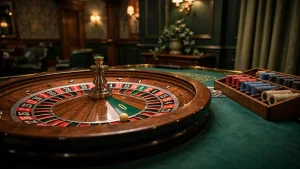
French Roulette Online Casinos in the UK: Rules
French roulette uses a European wheel, while La Partage can soften the impact of zero...

Fruit Machine Slots UK: How Online Play Works
Digital fruit slots keep familiar symbols but use RNG-driven outcomes, while demos and paytables can...

Hi-Lo Casino UK: Rules, Cards and Game Formats
Hi-Lo compares each new card with an exposed one, while rules for matching values can...

High-RTP Slots in the UK: How to Compare Them
RTP describes a slot’s designed long-run return, while game versions, bet mechanics and volatility shape...

JetX Casino Game in the UK: What to Know
The guide separates casino listings from verifiable details about JetX, demos, bonus terms and the...

Live Baccarat Online Casinos in the UK: How Play Works
A practical guide to baccarat bets, live-table formats, mobile play and the rules and terms...

Live Blackjack Online at UK Casinos: What to Check
A practical look at live dealer pace, table rules, side bets and terms that can...

Live Roulette in the UK: How the Game Works
Live roulette uses a dealer, a physical wheel and a streamed round, while digital roulette...

Live Dream Catcher Casino UK: How It Works
The game combines a real-time studio broadcast with digital betting controls, so the dealer is...

Live Roulette in the UK: English-Speaking Dealers
Live roulette uses a physical wheel and streamed dealer, while digital roulette outcomes are determined...

Mines Casino Game UK: How It Works and What to Check
The guide distinguishes what the Mines name suggests from verifiable rules, play options and UK-market...

Monopoly Live Casino UK: How the Live Game Works
A live dealer streams the round in real time, while the interface handles bets; each...

Online Bingo UK: How Rooms, Tickets and Slots Work
Bingo centres on shared number draws, while slots are separate games with different rules, offers...
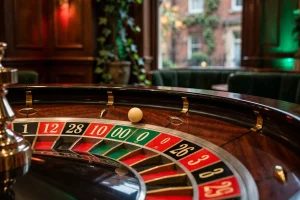
Online American Roulette in the UK: Odds and Play
See how the extra double-zero pocket affects the odds, how roulette bets pay, and what...

Online Casino European Roulette UK: Wheel and Bets
Learn how the single-zero wheel shapes roulette odds, how table bets and payouts work, and...

Online Casino Games for Real Cash in the UK
Real-money play puts each stake against a cash balance, while paylines and game rules determine...

Online Casino Tournaments in the UK: How They Work
Understand spin limits, timed events, knockout rounds and what free-entry or no-deposit tournament labels can...

Online Casinos Without ID in the UK: Checks Explained
A sign-up without an ID upload does not make identity checks optional across the lifetime...

Penny Slot Machines in the UK: Stakes and Play
A practical guide to total spin costs, paylines, RTP, free-play options and the limits of...

Plinko Casino UK: Understanding the Market
A practical look at regulation, real-money play, offers and payment claims surrounding online Plinko. How...

Progressive Slots Online in the UK: How They Work
Progressive jackpots grow from wagers on connected games, but the label does not define stake...

Top Rated Online Casinos in the UK: Ratings
Ratings reflect chosen review criteria, while game availability, real-money terms and withdrawals depend on the...






























































































































































































































































